
An Invitation to Worship
I recently sat in a service where the planned worship set came to an end, and an invitation to worship God outside of singing was opened up to the congregation. A person stood and testified about God and how He was his source for everything. Another stood and shared that he was still looking to the world to fulfill his needs and desires, and affirmed his deeper need for God. Both were edifying, humbling, and worship to God. Both made me remember that worship costs us something; a truth I first learned long before I understood it.
That cost was made clear to me years earlier, in a memory I still return to. I stood awkwardly in a circle of adult women worshipping God. It was a Women of Faith meeting; my mother dragged me along. As an awkward tween, I was too self-conscious to engage fully in worshipping God. What would people think of me? What if I looked stupid? As I let pride continue to puff up my heart, the sound of my voice and my song grew fainter. Then, I heard the Lord speak to me in His still, small voice, “Will you bow down and worship me?” “Here?” I responded in my heart, “No way!” Pride grew bigger in my heart. What would these women think of me kneeling and worshipping in this circle? Arrogance swelled larger, and I stood taller. As I continued to stand in the circle, my legs buckled, and the weight of my body caused me to collapse. It was as if someone had gently kicked the back of my legs, and I found myself kneeling and crying on the floor. The Lord’s invitation to worship changed my heart forever and stripped my heart of pride.
That moment on the floor taught me something; I have since traced this through Scripture: worship costs us something, even when it does not look like a sacrifice. In the Old Testament, an act of worship was to bring a sacrifice to God. Offerings were meant as an act of atonement and worship to God.
The sacrificial system had five different types of offerings for Jews to maintain: burnt offering, grain offering, peace offering, sin offering, and guilt offering. The burnt offering was a voluntary offering, in which the entire animal was burnt on the altar. This signified atonement and was a pleasing aroma to God (Lev. 1:3-17). The grain offering recognized God for His provision; first fruits of grain were brought before God along with flour and oil and partially burned. The rest was given to the priests (Lev. 2). The Peace Offering was a consecration of a meal shared between two parties looking toward future peace and prosperity (Lev. 7). The Sin Offering was a mandatory offering for unintentional sins and to cleanse and purify oneself from sin (Leviticus 3; 7:11–21). Finally, the Guilt Offering was meant to make recompense for one’s sin and for specific types of sin, such as theft and dishonesty, to restore the individual to the community (Leviticus 5:14–6:7; 7:1–10).[1]
The Jewish calendar revolved around festivals and the seasons. During these seasons, certain sacrifices were made not only as an act of worship but also as atonement and reparation for sin. The Jews and religious leaders took great pride in their system. Yet for all this ritual, the leaders who administered it grew proud of their own righteousness. This is the same pride that once kept me on my feet instead of my knees.
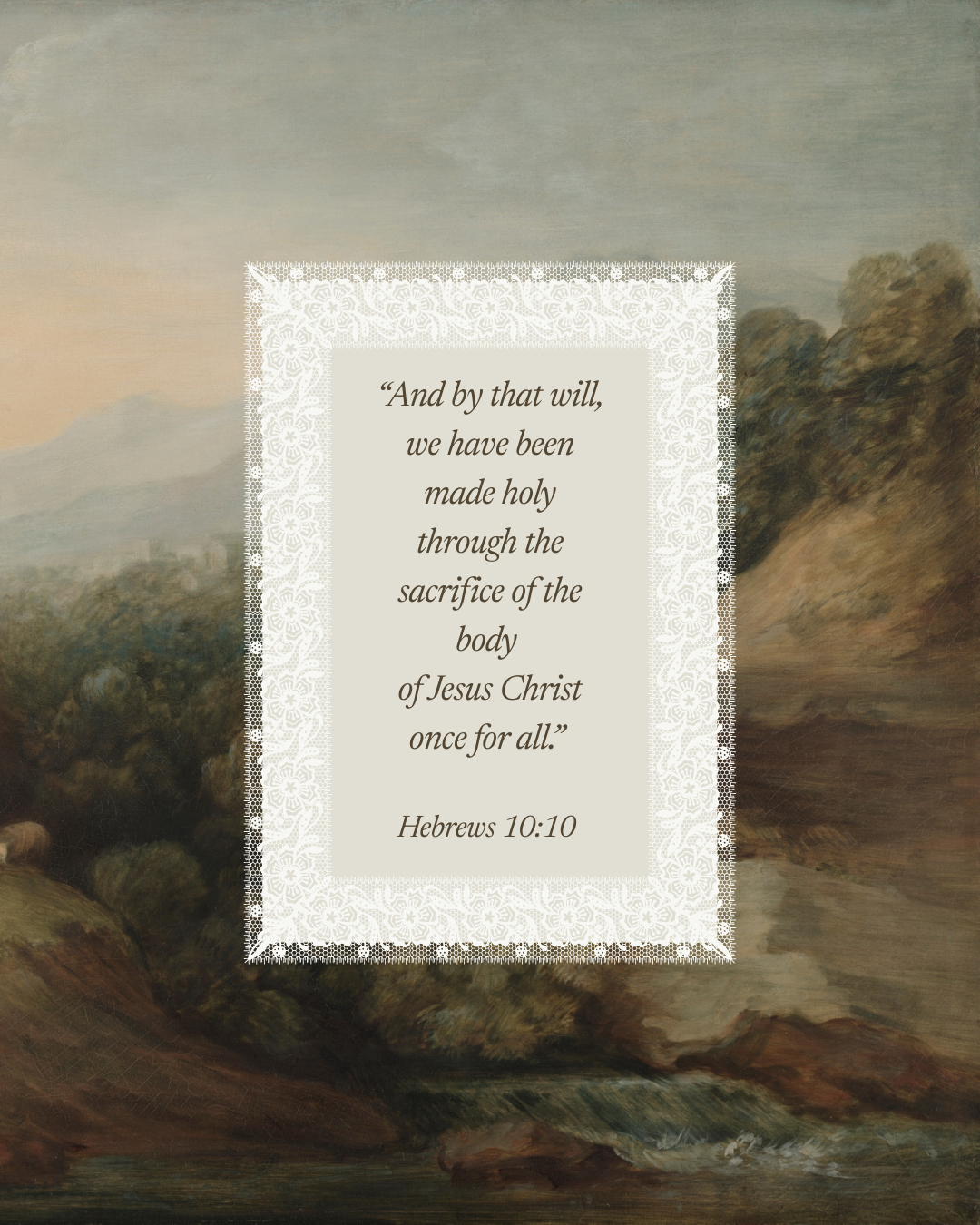
Ultimately, this system was insufficient because no one could repay the debt of sin, and Jesus came as the once-and-for-all sacrifice for the sins of man, fulfilling the Old Testament Law. Because of that, worship looks different today. God, in His creativity, now allows His people to express worship in many forms and with freedom.
So what does that mean for believers today? We are not required to offer sacrifice to atone for our sin once we have received Jesus’ sacrifice on our behalf. Instead, we come before God through a different kind of worship. On Sundays, in churches, we bring instruments and voices to worship God. The church has a liturgy and a sacramental system (baptism, communion, marriage, etc.). We have pastors and priests who share from the Bible, delivering a Word to edify God’s people, and then we have the creative arts or expression toward God. All of these are offered to honor and worship God, but each work and expression does not atone for sin; each is merely a gift or offering of honor and praise to God.
In that moment of kneeling on the floor, I felt His compassion. He showed me a better way. Jesus showed the same compassion to another worshipper who didn’t expect it: the Samaritan woman at the well. Jesus told her: “But the hour is coming, and now is, when the true worshipers will worship the Father in spirit and truth; for the Father is seeking such to worship Him. God is Spirit, and those who worship Him must worship in spirit and truth” (John 4:23-24). Instead of the life she had been living, He offered her living water (eternal life) and gave her a glimpse of what was to come when all believers would be given God’s Spirit.
The Samaritan woman took Jesus at His word and believed in Him. He didn’t condemn her in her pride and sin, nor did He condemn me in mine. He invited me to believe and worship Him.
When God invited me to participate in His Kingdom through worship, I believe it was to help me grow and mature.
The Lord’s invitation to worship changed my heart forever. It is not that I don’t still deal with pride or evaluate my atmosphere or venue before responding to God, but I know that, no matter the circumstances, if I hear the still, small voice call of God, I respond. Not that there is never hesitation or pride, but I recognize who is asking and I humble myself once again. Because He is good and He is the kind of God, but He invites us to worship Him.
Reflection:
1. In what area of life are you saying ‘no’ to Jesus’ invitation?
2. Is pride preventing you from fully engaging in worship?
3. What is one act of worship or sacrifice you could make for God today?
Machado, Charlotte. “Sacrifices in the Bible: 5 Types of Offerings Israel Made.” Sept. 21, 2023. [https://firmisrael.org/learn/sacrifice-in-the-bible-5-types-of-offerings-israel-made/] accessed on August 27, 2026.